Did you know that understanding common fertility issues can significantly improve your chances of conception? As you navigate your fertility journey, being informed is your best ally.
What You Will Learn
Recognize common fertility issues like PCOS, endometriosis, and ovulation disorders, along with their symptoms.
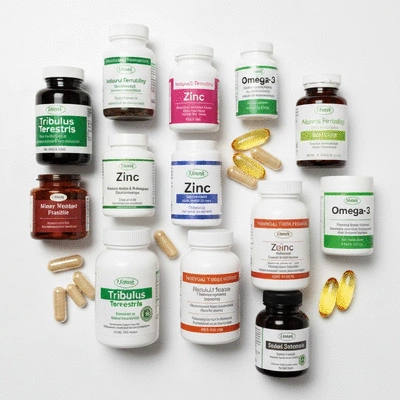
Explore the benefits and limitations of natural remedies such as Tribulus Terrestris, Zinc, and Omega-3 Fatty Acids in your fertility plan.
Understand how hormonal imbalances impact fertility and the importance of monitoring your symptoms.
Identify critical red flags that signal when to seek medical advice in your fertility journey.
Learn the value of combining natural approaches with medical guidance for a balanced fertility strategy.
Key Fertility Challenges and Natural Remedies Overview
This overview summarizes common fertility issues requiring attention and natural remedies often considered to support fertility journeys.
*Consult healthcare professionals for integration into your plan.
Understanding Fertility Challenges While Using Natural Remedies
Navigating fertility challenges can be overwhelming, especially when considering natural remedies as part of the journey. As a fertility educator, I understand how essential it is to recognize common fertility issues that may require attention. Conditions like PCOS (Polycystic Ovary Syndrome), endometriosis, and various ovulation disorders can significantly impact your fertility journey. Understanding these issues and their symptoms is a crucial first step.
Common Fertility Issues and Their Symptoms
Fertility issues can manifest in different ways. Here are some common conditions to be aware of:
PCOS: Irregular menstrual cycles, excessive hair growth, and acne.
Endometriosis: Painful periods, pain during intercourse, and infertility.
Ovulation Disorders: Irregular or absent ovulation leading to difficulty in conceiving.
If you experience any of these symptoms, it may be time to seek medical advice. Early intervention can make a significant difference in managing these conditions and improving your chances of conception!
The Role of Natural Remedies in Fertility Enhancement
Many individuals are exploring natural remedies alongside conventional approaches to boost their fertility. Some popular options include:
Tribulus Terrestris: Often touted for enhancing libido and improving ovulation. Additionally, research published in PMC NCBI explores its potential benefits.
Zinc: Important for hormone production and reproductive health.
Omega-3 Fatty Acids: Beneficial for reducing inflammation and supporting hormonal balance. The National Institutes of Health also highlights the importance of Omega-3s for reproductive health.
While these remedies can be beneficial, it's essential to research and consult with healthcare professionals to ensure they fit well into your overall fertility plan.
How Hormonal Imbalances Affect Fertility
Hormonal imbalances can play a significant role in fertility challenges, particularly in conditions like PCOS and endometriosis. An imbalance can disrupt menstrual cycles and ovulation, making it harder to conceive. For example, recent discoveries at Yale highlight how natural mechanisms can influence fertility.
It's crucial to monitor your symptoms and understand how they may relate to hormonal levels. Recognizing these patterns can help you and your healthcare provider develop a targeted approach to enhance your fertility journey.
When to Seek Medical Advice: Recognizing Red Flags
Understanding Red Flags for Fertility Concerns
As you navigate your fertility journey, it’s vital to be aware of signs that indicate the need for professional evaluation. Here are some critical red flags:
Age over 35 with unsuccessful attempts to conceive.
Irregular or absent menstrual cycles.
Unexplained weight gain or loss.
Persistent pelvic pain or discomfort.
If you notice any of these signs, don’t hesitate to reach out for help. Remember, seeking advice early can significantly impact your journey toward conception!
Combining Natural Approaches with Medical Guidance
Integrating natural remedies with conventional medical advice is a balanced approach to addressing fertility challenges. This combination allows you to explore holistic practices while ensuring you receive the appropriate medical care.
As a fertility educator, I encourage all individuals to have open discussions with their healthcare providers about their use of natural treatments. This collaborative approach can lead to more informed and effective strategies for boosting fertility.
Pro Tip
Did you know? Combining natural remedies with lifestyle changes, such as regular exercise and a balanced diet, can significantly enhance your fertility journey? Maintaining a healthy weight and managing stress levels are equally important factors that can improve your overall reproductive health!
Summarizing Key Insights on Fertility and Natural Remedies
As we navigate the complexities of fertility, it's essential to recognize the importance of knowing when to seek professional medical advice, especially while using natural remedies. Many individuals and couples turn to holistic approaches to enhance their fertility, and while these methods can be beneficial, they should not replace medical guidance when necessary. Understanding the signs that indicate a potential need for medical intervention can empower you on your journey toward conception.
When considering natural remedies, it's crucial to monitor your body's responses and any changes in your symptoms. If you notice persistent irregularities in your menstrual cycle, difficulties with ovulation, or symptoms that worsen despite using these remedies, it might be time to consult with a healthcare professional. Remember, your health and comfort are paramount!
Frequently Asked Questions About Fertility and Natural Remedies
What are common fertility issues?
Common fertility issues include Polycystic Ovary Syndrome (PCOS), endometriosis, and various ovulation disorders, all of which can affect a woman's ability to conceive.
What are the symptoms of PCOS?
PCOS symptoms often include irregular menstrual cycles, excessive hair growth (hirsutism), and acne.
How does endometriosis affect fertility?
Endometriosis can cause painful periods, pain during intercourse, and infertility due to the growth of uterine-like tissue outside the uterus.
Can natural remedies improve fertility?
Natural remedies like Tribulus Terrestris, Zinc, and Omega-3 Fatty Acids are explored for their potential to enhance libido, support hormone production, and reduce inflammation, which can indirectly support fertility. However, they should be used in consultation with healthcare professionals.
When should I seek medical advice for fertility concerns?
It's advisable to seek medical advice if you are over 35 and have been unsuccessfully trying to conceive, experience irregular or absent menstrual cycles, have unexplained weight changes, or suffer from persistent pelvic pain.
Is it safe to combine natural remedies with medical fertility treatments?
Combining natural approaches with medical guidance can be a balanced strategy. Always have open discussions with your healthcare provider about any natural treatments you are using to ensure a safe and effective overall fertility plan.
Taking Action: Your Next Steps in the Fertility Journey
Now that you have a better understanding of fertility challenges and the role of natural remedies, it's time to take actionable steps in your fertility journey. Start by keeping a detailed record of your symptoms and any natural remedies you’re using. This practice can provide valuable insights that you can share with your healthcare provider.
Monitor your symptoms: Keep track of your menstrual cycle, ovulation signs, and any physical changes.
Engage with healthcare professionals: Don't hesitate to reach out to specialists. Ask questions that matter to you!
Consider a combination of approaches: Integrate both natural and medical options to enhance your chances of conception.
At Getting Pregnant, we are dedicated to supporting you every step of the way. If you're feeling uncertain or overwhelmed, please don't hesitate to reach out for more information or to schedule a consultation. Remember, you are not alone on this journey, and informed choices lead to greater confidence and peace of mind!
Recap of Key Points
Here is a quick recap of the important points discussed in the article:
Common fertility issues include PCOS, endometriosis, and ovulation disorders, each with specific symptoms that warrant attention.
Natural remedies such as Tribulus Terrestris, Zinc, and Omega-3 fatty acids can play a supportive role in enhancing fertility but should be used in consultation with healthcare professionals.
Monitoring hormonal imbalances is crucial, as they can significantly affect fertility and ovulation patterns.
Recognizing red flags, such as age over 35 or irregular menstrual cycles, is important for knowing when to seek medical advice.
Combining natural approaches with medical guidance is essential for a balanced and effective fertility strategy.
Your go-to resource for mastering your conception journey. We empower individuals and couples with evidence-based insights and compassionate support.
Trusted by those aspiring to parenthood, our mission is to provide reliable, easy-to-understand guidance backed by fertility education and personal experience.