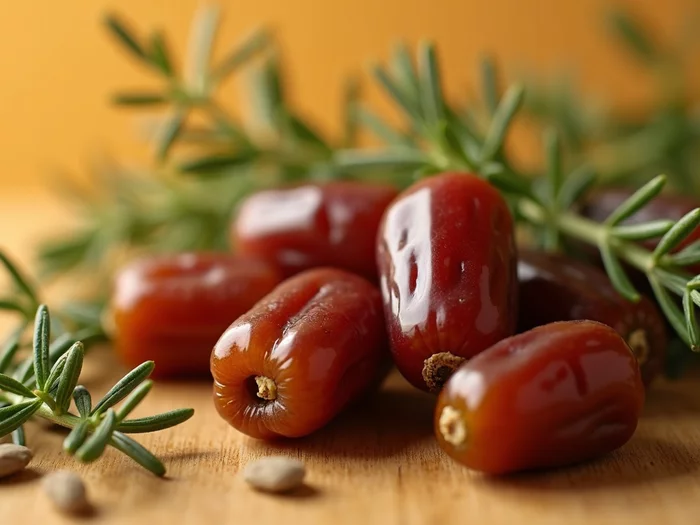
Date Palm Pollen (DPP): Ancient Use vs. Modern Science
Traditional Beliefs
- Fertility booster in ancient cultures
- Symbol of vitality
- Enhanced libido
Scientific Validation
- Increases sperm count
- Improves sperm motility
- Supports hormonal regulation
Join the Getting Pregnant community for reliable insights, tips, and support directly in your inbox.
Posted on: 2026-01-22
By: Elena Hartwell
Have you considered how ancient practices might hold the key to modern fertility solutions? The use of herbal remedies, particularly date palm pollen, has been revered for centuries, offering insights into natural ways to enhance reproductive health.
Delve into the efficacy of ancient herbal remedies for fertility, comparing traditional uses with modern scientific findings for key herbs like Date Palm Pollen, Fenugreek, Shatavari, Maca, and Vitex.
As we dive into the fascinating world of fertility, it's crucial to recognize the value of ancient herbal remedies that have stood the test of time. Among these, date palm pollen (DPP) has gained attention for its potential benefits. This remarkable substance has been utilized across various civilizations, from ancient Egypt to modern-day Middle Eastern cultures, highlighting its historical significance.
Historically, DPP was revered not only for its nutritional properties but also as a symbol of fertility and vitality. In many cultures, it was offered in rituals and celebrations surrounding childbirth. Its longstanding presence in traditional practices underlines the importance of natural solutions in enhancing fertility.
Date palm pollen is rich in essential nutrients and has been utilized for centuries to support reproductive health. In ancient scripts, it was often referred to as a fertility booster, believed to enhance the reproductive capabilities of both men and women. This has led many to explore its contemporary applications in modern fertility treatments.
As a fertility educator, I often emphasize the power of knowledge. Understanding the cultural roots of DPP can encourage individuals to explore this natural remedy with an open mind. At Getting Pregnant, we strive to provide reliable insights into such traditional practices, helping you feel more empowered on your journey.
Recent studies have begun to validate the traditional uses of DPP. Clinical research suggests that it can positively impact sperm count and motility, while also contributing to hormonal balance. This evidence adds another layer of credibility to its historical significance. For instance, one study demonstrated a notable increase in sperm quality among men who incorporated DPP into their diets.
These findings are encouraging for couples looking to enhance their fertility through natural means. As we continue to share insights at Getting Pregnant, we're committed to merging ancient wisdom with modern science, helping you navigate your path to parenthood more effectively.
Exploring other traditional plants can reveal a treasure trove of fertility-enhancing options. These plants, much like DPP, have been used for generations to promote reproductive health. Understanding their benefits is essential for anyone looking to enhance their fertility.
Each of these herbs carries its own unique properties that can contribute to a well-rounded fertility plan. By combining these traditional remedies with modern practices, you can create a holistic approach to your conception journey. For a broader perspective on optimizing natural fertility, you can explore resources from the American Society for Reproductive Medicine.
Have you ever tried herbal remedies in your fertility journey? Which herbs have you found most beneficial? Share your thoughts below:
A1: Date Palm Pollen (DPP) is a natural substance derived from date palm trees, historically revered in various cultures as a fertility booster. It is rich in essential nutrients like amino acids, vitamins, and minerals, which support hormonal balance and can enhance libido. Scientific studies suggest it may increase sperm count and motility.
A2: Recent clinical research indicates that DPP can positively impact sperm quality, including increased sperm count and improved motility. It has also been observed to have positive effects on hormonal regulation, such as testosterone levels. A study, for example, highlighted enhanced sperm quality in men who supplemented with DPP.
A3: Yes, besides DPP, several other traditional herbs are known for their fertility-enhancing properties. These include Fenugreek (supports reproductive health), Shatavari (a key Ayurvedic herb for female reproductive health), Maca (supports hormonal balance), and Vitex (commonly used to regulate menstrual cycles).
A4: Absolutely. While ancient herbal remedies offer promising potential, it is crucial to consult with a healthcare professional before incorporating them into your fertility plan. This ensures that these remedies align with your specific health needs and do not interfere with any existing medical conditions or treatments. You can also look into ongoing research, such as the clinical trials registered on ClinicalTrials.gov, for more insights.
A5: Herbal remedies are not a replacement for medical advice or conventional fertility treatments. Instead, they can offer additional support when integrated into a comprehensive fertility plan. Many individuals find that exploring natural options, alongside modern practices, fosters a holistic approach to their conception journey.
As we journey through the fascinating world of ancient herbal remedies for fertility, we've uncovered significant insights about their effectiveness. From the historical importance of date palm pollen to the modern applications of fenugreek and shatavari, these traditional plants hold promising potential for enhancing reproductive health. It's encouraging to see how these remedies, rooted in ancient wisdom, are finding their place alongside modern fertility treatments.
While not a replacement for medical advice or treatments, integrating these herbs into a fertility plan can offer additional support. Many individuals and couples find comfort in exploring natural options that align with their personal wellness philosophies, fostering a holistic approach to their conception journeys. For more information on optimizing natural fertility, consider reviewing guidelines from organizations like the American Society for Reproductive Medicine.
Are you considering incorporating herbal remedies into your fertility plan? I encourage you to explore the possibilities! Here are some steps to get started:
At Getting Pregnant, we believe that informed choices lead to greater confidence. By understanding the potential of herbal supplements, you empower yourself on your fertility journey. Share your experiences with us or reach out if you have questions—we're here to support you every step of the way!
Here is a quick recap of the important points discussed in the article: