Diet and Supplements for Female Fertility
Posted on: 2025-10-19
By: Elena Hartwell
Did you know that your diet could be the key to enhancing your fertility? Understanding the nutritional factors that influence reproductive health can empower you on your journey to parenthood. This guide highlights essential dietary changes that can support your fertility.
What You Will Learn
- Whole Foods Matter: Diets rich in whole foods like fruits, vegetables, and lean proteins are linked to higher fertility rates.
- Healthy Fats are Essential: Incorporating healthy fats from sources like avocados and nuts supports hormone production.
- Limit Processed Foods: Reducing processed foods can help maintain hormonal balance and support ovulation.
- Focus on Key Nutrients: Nutrients such as folic acid, vitamin D, and omega-3 fatty acids play crucial roles in supporting reproductive health.
Enhancing Female Fertility Through Essential Nutrients
Understanding the vital role of nutrition is key to supporting reproductive health. The following visual highlights critical nutrients and their benefits for female fertility:
Folic Acid
Vital for preventing neural tube defects and supporting cell growth.
Vitamin D
Plays a significant role in ovulation and improving conception chances.
Omega-3 Fatty Acids
Supports hormonal balance and helps reduce inflammation.
B Vitamins
Essential for regulating hormones and providing critical energy levels.
Zinc, Iron, Selenium
Crucial minerals supporting various reproductive processes and immune function.
The Importance of Nutrition in Supporting Female Fertility
When we think about fertility, we often focus on medical treatments and timing, but did you know that nutrition plays a crucial role in this journey? At Getting Pregnant, I believe that understanding the connection between your diet and fertility can empower you to make informed choices that positively impact your reproductive health. It’s amazing how the foods we eat can support our bodies in achieving the dream of parenthood!
Nutrition isn’t just about what we consume; it’s about how our food choices influence our bodies. A well-balanced diet can enhance fertility by improving hormone balance, egg quality, and overall health. Let’s explore the connections between diet and fertility more closely.

Understanding the Connection Between Diet and Fertility
Research shows that certain dietary patterns can significantly influence reproductive health. For instance, women who consume a diet rich in whole foods, healthy fats, and nutrients tend to have higher fertility rates. On the other hand, diets high in processed foods and sugars can lead to hormonal imbalances and negatively affect ovulation, as highlighted in studies on nutritional interventions for female infertility.
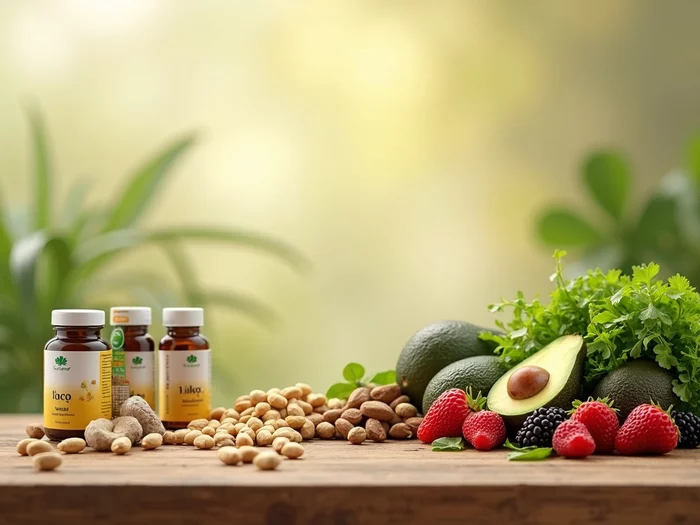
- Whole Foods: Fruits, vegetables, whole grains, and lean proteins are essential for a balanced diet.
- Healthy Fats: Incorporating sources like avocados, nuts, and olive oil can support hormone production.
- Processed Foods: Limiting these can help reduce inflammation and support your fertility journey.
By understanding these dietary connections, you can start making choices that not only nourish your body but also promote reproductive health.
How Dietary Patterns Influence Reproductive Health
Your dietary patterns can have a profound impact on your reproductive health. For example, the Mediterranean diet, which is rich in fruits, vegetables, whole grains, and healthy fats, has been linked to improved fertility outcomes. This aligns with findings on women's nutrition and fertility. In contrast, a diet high in refined carbohydrates and sugar can lead to insulin resistance, which may affect ovulation.
- Incorporate more fruits and vegetables into your meals.
- Choose whole grains over refined grains.
- Opt for healthy fats instead of trans fats.
Small, consistent changes to your diet can be a powerful way to enhance your fertility and overall well-being.
The Impact of Whole Foods on Fertility
Whole foods are packed with essential nutrients that support your body’s functions. By focusing on unprocessed items, you’re giving your body the tools it needs to thrive. Foods like leafy greens, berries, lean proteins, and healthy fats not only nourish you but also contribute to a more balanced hormonal environment.
- Leafy Greens: Rich in vitamins and minerals that can boost fertility.
- Berries: Packed with antioxidants that can reduce oxidative stress.
- Lean Proteins: Support hormone production and overall health.
At Getting Pregnant, I often emphasize the importance of choosing whole foods. They help create a nutrient-dense diet that can optimize your reproductive health and prepare your body for conception.
Pro Tip
Did you know? Incorporating a variety of colorful fruits and vegetables into your diet not only enhances the aesthetic appeal of your meals but also boosts your nutrient intake. Aim for a "rainbow plate" to ensure you're getting a wide range of vitamins and minerals essential for fertility!
Frequently Asked Questions About Diet and Female Fertility
Q: How does diet impact overall female fertility?
A: A well-balanced diet can significantly enhance female fertility by improving hormone balance, supporting egg quality, and contributing to overall reproductive health. Diets rich in whole foods, healthy fats, and essential nutrients are linked to higher fertility rates.
Q: Which specific nutrients are most important for female fertility?
A: Key nutrients include folic acid (vital for preventing neural tube defects), Vitamin D (aids in ovulation and conception), Omega-3 fatty acids (support hormonal balance and reduce inflammation), B Vitamins (regulate hormones and provide energy), and minerals like Zinc, Iron, and Selenium (support various reproductive processes).
Q: Are there any foods I should limit or avoid to improve fertility?
A: Yes, limiting processed foods, refined carbohydrates, and sugars is recommended. These can lead to hormonal imbalances and negatively affect ovulation. Opt for whole, unprocessed foods instead.
Q: Can a specific dietary pattern, like the Mediterranean diet, help with fertility?
A: Absolutely. The Mediterranean diet, known for its emphasis on fruits, vegetables, whole grains, and healthy fats, has been linked to improved fertility outcomes and is often recommended for those trying to conceive.
Q: Why is it important to consult a healthcare provider for fertility nutrition?
A: While general dietary advice is helpful, a healthcare provider can offer tailored guidance based on your individual health needs, medical history, and lifestyle. They can help you understand potential risks or contraindications of certain supplements or dietary changes, ensuring a safe and effective plan.
Key Takeaways on Diet and Natural Supplements for Female Fertility
When it comes to enhancing female fertility, understanding the role of nutrition is crucial. Throughout this article, we’ve explored various essential nutrients that can significantly impact reproductive health. Here are some key takeaways to remember:
- Folic Acid: Vital for preventing neural tube defects, folic acid should be a priority in your diet.
- Vitamin D: This nutrient plays a significant role in ovulation and can improve your chances of conception.
- Omega-3 Fatty Acids: Known for supporting hormonal balance and reducing inflammation, omega-3s are essential for reproductive health.
- B Vitamins: They help regulate hormones and provide energy, both critical for fertility.
- Key Minerals: Zinc, iron, and selenium support various reproductive processes and overall health.
Integrating these nutrients into your daily meals can be an empowering step in your fertility journey. Remember, what you eat matters! It can create a nurturing environment for conception and overall wellness.

Summarizing the Essential Nutrients and Their Benefits
To recap, each of these nutrients plays a unique role in supporting female fertility:
- Folic Acid: Reduces risk of birth defects and supports cell growth.
- Vitamin D: Aids in hormonal balance and reproductive function.
- Omega-3 Fatty Acids: Promote healthy ovulation and reduce inflammation.
- B Vitamins: Essential for energy levels and hormone regulation.
- Zinc, Iron, and Selenium: Crucial for reproductive health and immune function.
Incorporating a variety of whole foods rich in these nutrients can help lay the groundwork for a healthy pregnancy. At Getting Pregnant, I believe that informed choices lead to greater confidence on your path to parenthood!
Consulting with Healthcare Providers for Personalized Guidance
While this information is a great starting point, consulting with a healthcare provider can provide you with tailored advice that considers your individual health needs. Each person’s fertility journey is unique, and it's essential to have a plan that works specifically for you, as emphasized in discussions about lifestyle factors and fertility.
Understanding Potential Risks and Contraindications
Some natural supplements or dietary changes may not be suitable for everyone. It's crucial to discuss any new supplements or significant dietary changes with your healthcare provider. They can help you understand potential risks and contraindications, ensuring that your fertility plan is safe and effective.
The Importance of Tailored Advice in Fertility Nutrition
Tailored advice can make a significant difference in your journey. A healthcare provider can offer insights into how your specific health background and lifestyle choices impact your fertility. By working together, you can create a personalized nutrition plan that aligns with your goals.
Remember, you’re not alone in this journey. Your health and well-being are the top priorities! Feel free to reach out to us at Getting Pregnant for more resources or support as you navigate this important phase of life.
Recap of Key Points
Here is a quick recap of the important points discussed in the article:
- Nutrition's Role in Fertility: A balanced diet can enhance fertility by improving hormone balance, egg quality, and overall health.
- Whole Foods are Essential: Incorporate more fruits, vegetables, whole grains, and lean proteins while limiting processed foods to support reproductive health.
- Key Nutrients: Focus on folic acid, vitamin D, omega-3 fatty acids, B vitamins, and key minerals like zinc and iron for better fertility outcomes.
- Consult Healthcare Providers: Personalized guidance can help tailor dietary choices to individual health needs and improve fertility planning.
- Small Changes Matter: Consistent, small dietary changes can significantly enhance your fertility journey.
 Have you ever felt the weight of balancing your career ambitions with your dreams of starting a fami
 Choosing the right prenatal care provider can greatly influence your pregnancy journey. With the rig
 Have you ever felt overwhelmed by the complexities of fertility tracking? By understanding your mens