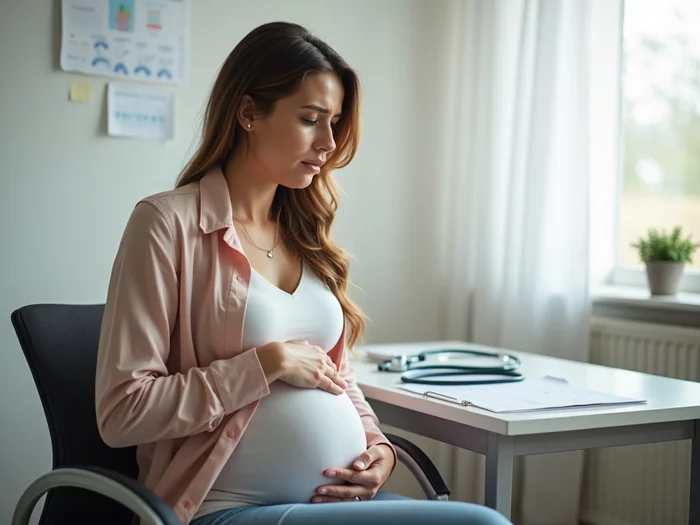
Critical Warning Signs in Early Pregnancy
⚠
Heavy vaginal bleeding
⚠
Severe abdominal pain
⚠
Dizziness & fainting
⚠
Severe headaches & swelling
Join the Getting Pregnant community for reliable insights, tips, and support directly in your inbox.
Posted on: 2025-12-17
By: Elena Hartwell
Recognizing early pregnancy warning signs is essential for ensuring the health and safety of both the mother and the baby. Understanding when to seek medical attention can significantly impact the outcome of your pregnancy journey.
Understanding critical warning signs in early pregnancy is crucial for expectant mothers. Below is a guide on urgent symptoms and when to seek medical attention.
**ER Visit:** Heavy bleeding, severe pain.
**Doctor Visit:** Persistent nausea, mild cramps.
Early pregnancy can be an exciting yet nerve-wracking time. As a fertility educator, I understand that recognizing risks and warning signs is crucial for expectant mothers. It’s important to equip yourself with knowledge about what symptoms to watch for during this delicate period. Let’s dive into some critical signs that every woman should be aware of.
Being aware of specific symptoms can help you differentiate between normal pregnancy discomfort and more serious issues. Here are some urgent symptoms that require attention:
If you experience any of these symptoms, it’s crucial to consult with a healthcare provider immediately to ensure both your health and the health of your baby. For more detailed information on maternal warning signs, you can refer to resources from the CDC.
Knowing when to seek help can make a big difference in managing your health during early pregnancy. Here’s a breakdown of when you should head to the emergency room versus when to contact your regular doctor:
Trust your instincts; if something feels off, it’s always best to err on the side of caution! The Nationwide Children's Hospital also offers a comprehensive library of warning signs during pregnancy.
An ectopic pregnancy occurs when a fertilized egg implants outside the uterus, often in a fallopian tube. This can be dangerous, so it's important to know the signs. Common symptoms include:
Risk factors for ectopic pregnancy include a history of pelvic inflammatory disease or previous ectopic pregnancies. If you have concerns, don't hesitate to reach out; your health is a priority!
Preeclampsia is a serious condition that can develop during pregnancy, typically after the 20th week. Recognizing its warning signs early is essential. Here are some symptoms you should keep an eye on:
If you notice these symptoms, please contact your healthcare provider to discuss your concerns. Early intervention can make a significant difference!
Miscarriage is a heartbreaking reality for many women, and understanding its symptoms can help you respond appropriately. Common signs include:
It’s essential to differentiate between normal spotting and concerning symptoms. If you experience any of these signs, please seek help promptly. Remember, you’re not alone in this journey!
Preexisting health conditions can significantly impact your pregnancy experience. It’s essential to monitor any chronic conditions you may have. Here are a few things to consider:
Maintaining open communication with your healthcare provider can help ensure a healthy pregnancy. Remember, knowledge is power!
The most critical warning signs include heavy vaginal bleeding, severe abdominal pain, dizziness and fainting, severe headaches, and swelling. These symptoms require immediate medical attention.
You should go to the emergency room for urgent symptoms such as heavy bleeding, severe pain, or signs of ectopic pregnancy. For persistent but less severe symptoms like mild cramps or nausea, contacting your regular doctor is usually sufficient.
Symptoms of an ectopic pregnancy include sharp or stabbing pain in the abdomen or pelvis, vaginal bleeding that differs from a normal period, and low back or shoulder pain.
Preeclampsia symptoms typically include elevated blood pressure, swelling (especially in the face and hands), severe headaches, and visual disturbances like seeing spots. If you experience these, contact your healthcare provider.
Signs of a miscarriage include bright red bleeding accompanied by cramping, and the passing of fluid or tissue from the vagina. It's important to differentiate these from normal spotting and seek prompt medical help if experienced.
Monitoring preexisting conditions like diabetes or thyroid issues is essential because these can significantly impact both maternal health and fetal development. Open communication with your healthcare provider helps manage these risks effectively.
Did you know? Keeping a detailed journal of your symptoms and any changes during early pregnancy can help you communicate effectively with your healthcare provider. This record can aid in identifying patterns and addressing concerns more efficiently.
Recognizing early pregnancy warning signs is crucial for ensuring the health and safety of both the mother and the baby. It's important to be aware of potential risks and to understand when to seek assistance. Remember, every pregnancy is unique, and being informed can empower you as you navigate this journey!
Identifying symptoms such as heavy bleeding, severe pain, or dizziness should prompt immediate action. Being proactive about your health can make a significant difference during this sensitive time. If you ever feel uncertain about any symptoms, don’t hesitate to reach out to your healthcare provider—they're there to support you!
As an expectant mother, maintaining open communication with your healthcare provider is vital. They can help you manage any concerns and guide you through your pregnancy journey with confidence. It’s essential to seek immediate medical attention when necessary, as early intervention can often lead to better outcomes.
To support your proactive health management, consider utilizing the following resources:
All of these resources aim to provide you with reliable information and support. Remember, at Getting Pregnant, we're dedicated to empowering you throughout your conception journey. Stay informed, stay connected, and prioritize your health as you embrace this beautiful experience!
Here is a quick recap of the important points discussed in the article: