Nourishing Meals for Expecting Couples

Posted on: 2025-11-29
By: Elena Hartwell
Are you aware that what you eat can significantly impact your fertility? As couples embark on their journey to conception, understanding the profound connection between nutrition and reproductive health can empower informed decisions that enhance the chances of conception.
What You Will Learn
- A balanced and nutrient-rich diet can improve fertility outcomes for both men and women.
- Essential nutrients like Folate, Omega-3s, and Zinc are crucial for enhancing egg and sperm quality.
- Incorporating antioxidants like Vitamin C and E can protect reproductive cells and boost their quality.
- Creating a fertility-focused meal plan can support hormonal balance and overall reproductive health.
- Mindful eating practices can strengthen relationships and promote healthier food choices during the fertility journey.
- As you transition from conception to pregnancy, your nutritional needs will change significantly, requiring greater caloric and nutrient intake.
Nutritional Pillars for Fertility & Pregnancy
A balanced diet is foundational for both conception and a healthy pregnancy, evolving to meet changing needs throughout the journey.
Key Nutrients for Fertility
- ✓Folate: DNA synthesis, cell division.
- ✓Omega-3s: Reduce inflammation, hormone balance.
- ✓Zinc: Sperm production.
- ✓Antioxidants (Vit C, E, CoQ10): Protect reproductive cells.
Macronutrient Essentials
- ✓Carbohydrates: Whole grains, fiber-rich foods (stabilize blood sugar).
- ✓Proteins: Lean meats, fatty fish, plant-based (tissue repair).
- ✓Healthy Fats: Avocados, olive oil, nuts, seeds (hormone production).
Post-Conception Nutritional Shifts
- ★Caloric Intake: Increase by 300-500 per day.
- ★Protein: More for fetal growth (lean meats, legumes).
- ★Folate: Continued high priority for early development.
- ★Hydration & Calcium: Crucial for amniotic fluid and baby's development.
Couple's Meal Planning Strategy
- ✓Shared Goals: Set weekly prep day, try new recipes together.
- ✓Joint Routine: Plan meals & grocery lists weekly.
- ✓Mindful Eating: Eliminate distractions, savor meals.
- ✓Support: Encourage each other, celebrate small victories.
Understanding the Role of Nutrition in Fertility for Couples
As we embark on the journey of conception, the importance of nutrition cannot be overstated. What we eat plays a crucial role in our reproductive health, influencing everything from egg and sperm quality to hormone balance. In my experience, couples who understand this connection often feel more empowered in their fertility journey, making informed choices that can enhance their chances of conception.
The Connection Between Diet and Reproductive Health
Research shows a direct link between diet and reproductive health. A balanced and nutrient-rich diet can lead to improved fertility outcomes for both men and women. This means that the food you eat not only nourishes your body but also supports your reproductive organs. Let's explore how your diet can affect your fertility.
How Nutrition Affects Egg and Sperm Quality
Nutrition plays a pivotal role in determining the quality of eggs and sperm. Essential nutrients can help improve cellular function and overall reproductive health. Couples should focus on a variety of foods that support their reproductive systems. Here are some key points to consider:
- Healthy fats, like those found in avocados and fish, can improve hormone production.
- Antioxidants help protect eggs and sperm from oxidative stress.
- Maintaining a healthy weight through balanced nutrition can enhance fertility.
By prioritizing these nutritional elements, couples can create a solid foundation for their conception journey.
Key Nutrients Essential for Fertility: Folate, Omega-3s, and More
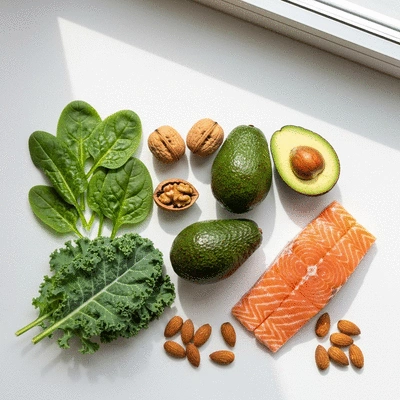
There are specific nutrients especially important for fertility. Folate, for example, is essential for DNA synthesis and cell division, making it a key player in reproductive health. Additionally, Omega-3 fatty acids can help reduce inflammation and support hormonal balance. Here are some of the top nutrients to include in your diet:
- Folate: Found in leafy greens, beans, and fortified cereals.
- Omega-3s: Present in fatty fish, flaxseeds, and walnuts.
- Zinc: Important for sperm production, found in meat, legumes, and seeds.
Incorporating these nutrients into your daily meals will not only boost your fertility but also enhance your overall health.
The Impact of Antioxidants and Vitamins on Fertility
Antioxidants and essential vitamins play a critical role in maintaining reproductive health. They help combat free radicals that can damage reproductive cells, thus enhancing both egg and sperm quality. Some key antioxidants to focus on include:
- Vitamin C: Boosts sperm quality and is abundant in fruits like oranges and strawberries.
- Vitamin E: Supports reproductive health and is found in nuts and seeds.
- Coenzyme Q10: Supports energy production in cells, beneficial for egg quality.
By focusing on a diet rich in antioxidants and essential vitamins, couples can enhance their fertility while also enjoying the benefits of a healthier lifestyle.
Creating a Balanced Fertility Meal Plan
Getting Pregnant encourages couples to create a balanced fertility meal plan that nurtures their bodies and supports their reproductive health. Meal planning can be a fun and engaging way to make healthier choices together. Let's dive into the essentials of a fertility-focused diet!
Macronutrient Essentials for a Fertility Diet
Your fertility diet should include all three macronutrients: carbohydrates, proteins, and fats, but the quality of these foods matters greatly. Here’s how to ensure you’re incorporating the right types:
Understanding Carbohydrates: Choosing Whole Grains and Fiber-Rich Foods
Carbohydrates are a vital energy source, but not all carbs are created equal. It’s important to choose whole grains and fiber-rich foods which not only provide energy but also support hormonal balance. Look for:
- Whole grain bread and pasta
- Brown rice and quinoa
- Fruits and vegetables for added fiber
By opting for these healthy carbohydrates, you can help stabilize blood sugar levels, which is beneficial for fertility.
Incorporating Quality Proteins: Lean Meats, Fish, and Plant-Based Sources
Protein is essential for building and repairing tissues, including reproductive tissues. Include a variety of protein sources in your diet to ensure you're getting all the necessary amino acids. Here are some great options:
- Lean meats, such as chicken and turkey
- Fatty fish like salmon, rich in Omega-3s
- Plant-based proteins: beans, lentils, and tofu
Mixing these protein sources can help create balanced meals that support reproductive health.
Healthy Fats: The Importance of Omega-3s and Avocado
Don’t shy away from healthy fats! They play a crucial role in hormone production and overall health. Focus on incorporating:
- Avocados: A fantastic source of monounsaturated fats and fiber.
- Olive oil: Choose extra virgin olive oil for cooking and dressings.
- Nuts and seeds: Great for snacking and adding to meals.
Including healthy fats in your diet can make a significant difference in your fertility journey.
Meal Planning Strategies for Couples
Creating a meal plan together can help couples stay committed to their fertility journey. Here are some strategies to get started:
Sample Weekly Meal Plans: Recipes for Breakfast, Lunch, and Dinner
Planning meals ahead of time can alleviate stress and promote healthy eating habits. Consider creating a weekly plan that includes:
- Breakfast: Smoothie bowls with spinach, banana, and flaxseed
- Lunch: Quinoa salad with chickpeas, cucumbers, and feta
- Dinner: Grilled salmon with sweet potatoes and steamed broccoli
By having a clear plan in place, you can ensure that your meals are both nutritious and delicious!
Fertility-Boosting Snacks: Quick and Nutritious Options
Snacking wisely can keep energy levels up and maintain balanced blood sugar. Opt for:
- Greek yogurt with berries
- Hummus with carrot sticks
- A handful of mixed nuts
These snacks are not only tasty but also packed with nutrients that support your fertility goals.
Grocery Shopping Tips: How to Choose Whole Foods for Your Diet
When shopping for your fertility meal plan, aim for whole foods and fresh produce. Here are some helpful tips:
- Shop the perimeter of the store where fresh foods are located.
- Look for seasonal produce for better flavor and nutrition.
- Consider buying in bulk to save money and reduce waste.
These small changes can have a big impact on your nutrition and overall health.
Pro Tip
To further enhance your fertility journey, consider incorporating a variety of colorful fruits and vegetables into your daily meals. Each color represents different nutrients that can support reproductive health. Aim for a "rainbow plate" to ensure you're getting a wide range of vitamins, minerals, and antioxidants that boost egg and sperm quality. Remember, variety is not just the spice of life—it's essential for optimal health!
Frequently Asked Questions About Fertility Nutrition
What is the main connection between diet and fertility?
A balanced and nutrient-rich diet directly impacts reproductive health for both men and women, influencing egg and sperm quality, and hormonal balance. Making informed nutritional choices can significantly enhance the chances of conception.
Which key nutrients are most important for fertility?
Essential nutrients include Folate (for DNA synthesis and cell division), Omega-3 fatty acids (to reduce inflammation and balance hormones), and Zinc (crucial for sperm production). Antioxidants like Vitamins C and E also protect reproductive cells.
How can couples create an effective fertility meal plan?
Focus on incorporating healthy carbohydrates (whole grains, fiber-rich foods), quality proteins (lean meats, fatty fish, plant-based options), and healthy fats (avocados, olive oil, nuts, seeds). Plan meals weekly, shop for whole foods, and consider fertility-boosting snacks.
What nutritional changes should be expected when transitioning from conception to pregnancy?
Post-conception, caloric intake should increase by 300-500 calories per day, with a greater emphasis on protein for fetal growth. Continued high priority for folate is essential for early development, along with increased hydration and calcium for amniotic fluid and baby's development.
How can partners support each other in building healthy eating habits for fertility?
Couples can establish shared goals, such as a weekly meal prep day or trying new recipes together. Creating a joint meal planning routine and practicing mindful eating during meals can strengthen their bond and promote healthier choices, making the journey more enjoyable and supportive.
Transitioning from Conception to Pregnancy: Nutritional Needs Ahead
Congratulations on your journey toward pregnancy! As you transition from conception to pregnancy, your nutritional needs will change significantly. It’s essential to understand these changes so you can support your growing baby and maintain your health. This phase is all about adapting your meal plans to meet new requirements while remaining mindful of what your body truly needs.
During early pregnancy, you might find yourself craving different foods or feeling more fatigued. This is totally normal! It’s important to focus on a balanced diet that includes a variety of nutrients to support both you and your little one.
What Changes to Expect Post-Conception
Once you’ve conceived, your body undergoes a series of changes that directly impact your nutritional needs. These changes often include increased caloric intake, heightened sensitivity to certain foods, and the need for more vitamins and minerals. The Department of Veterans Affairs provides comprehensive guidelines on nutrition during pregnancy, emphasizing key adjustments to consider:
- Increase your caloric intake by about 300-500 calories per day, focusing on nutrient-dense foods.
- Incorporate more protein sources to support fetal growth, such as lean meats, legumes, and dairy products.
- Prioritize folate-rich foods, like leafy greens and fortified cereals, to support early development.
By making these adjustments, you'll set a strong foundation for a healthy pregnancy. Remember, it’s not just about eating more, but eating wisely!
Adjusting Your Meal Plans for Early Pregnancy
As your body shifts gears, it’s vital to revisit and modify your meal plans. This means focusing on whole foods that provide essential nutrients while minimizing processed options. Here are some tips to help you create a balanced meal plan:
- Start your day with a hearty breakfast that includes whole grains, fruits, and a source of protein.
- Plan meals that include a variety of colorful vegetables, which are rich in vitamins and minerals.
- Snack wisely! Incorporate nutrient-dense options like nuts, yogurt, and fruits to keep your energy up throughout the day.
Don’t forget to listen to your body’s signals. You may find certain foods appealing or unappealing as your pregnancy progresses, and that’s perfectly okay!
The Role of Hydration and Calcium in Pregnancy Nutrition
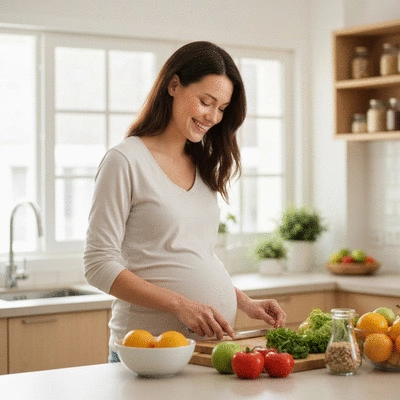
Staying hydrated is crucial during pregnancy. It supports overall health and helps in the formation of amniotic fluid, among other benefits. Aim to drink plenty of water throughout the day, especially if you're experiencing nausea. In addition to hydration, calcium plays a vital role in your baby’s development, as highlighted by the American College of Obstetricians and Gynecologists.
- Include dairy products like milk, cheese, and yogurt, which are great sources of calcium.
- Explore non-dairy sources like almonds, leafy greens, and fortified plant-based milks.
- Consider calcium supplements if you're not getting enough through diet alone—always consult with your healthcare provider first!
By prioritizing hydration and calcium, you are nurturing both your health and that of your baby. It’s all about laying the groundwork for a vibrant pregnancy!
Engaging with Your Partner: Building Healthy Eating Habits Together
Your journey is not just about you—it's a partnership! Sharing the experience of healthy eating can strengthen your bond and make the process more enjoyable. When both partners commit to healthy habits, it can create a supportive environment that benefits everyone.
Consider discussing your meal planning ideas with your partner. This can foster collaboration and ensure you’re both on the same page when it comes to nutrition. Plus, cooking together can be a fun way to connect and explore new recipes!
Shared Goals: How Couples Can Support Each Other
Establishing shared goals around nutrition is an excellent way for couples to support one another on this journey. Here are some ideas to consider:
- Set a weekly meal prep day to plan and cook meals together.
- Encourage each other to try new recipes or ingredients that promote fertility.
- Celebrate small victories, like sticking to your meal plan or trying a new healthy dish!
When you work together, you can make the journey toward parenthood more enjoyable and less stressful. Remember, you’re in this together!
Creating a Joint Meal Planning Routine: Tips for Success
Establishing a joint meal planning routine can help you both stay organized and committed to your nutrition goals. Here are some tips to get started:
- Set aside a specific time each week to plan meals and grocery lists together.
- Take turns choosing recipes that excite you both, so it feels fresh and fun!
- Make it a date—grab a cup of coffee or tea while you brainstorm your meals for the week.
This routine can transform meal planning from a chore into an enjoyable couple’s activity. Cheers to healthy eating!
Incorporating Mindful Eating Practices in Your Relationship
Mindful eating is a powerful practice that can enhance your relationship with food—and with each other. By focusing on your meals and savoring each bite, you can deepen your connection during meals. Here’s how you can practice mindful eating together:
- Turn off distractions like TVs and phones during mealtime.
- Engage in conversation about your day, which encourages presence and appreciation for the food.
- Pay attention to your hunger and fullness cues, and encourage each other to do the same.
Mindful eating not only fosters intimacy but also promotes healthier choices, which is especially important in your fertility journey.
Taking Action: Start Your Fertility Nutrition Journey Today
Are you ready to dive into your fertility nutrition journey? The steps you take today can pave the way for a healthier future for you and your family. It’s all about making informed choices that align with your goals and values.
Let’s explore some practical steps you can take to implement your new meal plan and find the support you need along the way.
Practical Steps to Implement Your New Meal Plan
When you’re ready to take action, here are some practical steps to help you implement your new meal plan:
- Start by identifying your favorite healthy recipes and create a rotation for weekly meals.
- Make a grocery list based on your meal plan and stick to it to avoid impulse purchases.
- Consider prepping meals or ingredients ahead of time to save time during busy weeks.
By having a plan in place, you can reduce stress and stay focused on your nutrition goals!
Resources for Further Support: Consulting with Nutrition Experts
Don’t hesitate to seek support if you need it! Consulting with a nutrition expert can provide you with tailored advice based on your specific needs. Here are some resources to consider:
- Look for registered dietitians who specialize in fertility nutrition.
- Join online forums or support groups where you can share experiences and tips with others.
- Explore books and online courses focused on nutrition for fertility.
These resources can empower you to make informed choices and feel confident in your fertility nutrition journey. Remember, you’re not alone!
Exploring Nutritional Supplements: When and Why to Consider Them
While focusing on whole foods is crucial, sometimes nutritional supplements can play a beneficial role. It’s important to understand when and why to consider them in your diet:
- Speak with your healthcare provider about prenatal vitamins to ensure you’re covering your bases.
- Consider omega-3 supplements if you’re not consuming enough fatty fish.
- Explore specialized fertility supplements, but do so under the guidance of a professional.
Supplements can complement your diet, but they should never replace whole foods. Always prioritize getting your nutrients through a balanced diet first!
Recap of Key Points
Here is a quick recap of the important points discussed in the article:
- Nutrition is crucial for enhancing fertility, impacting egg and sperm quality, and hormone balance.
- Key nutrients for fertility include Folate, Omega-3s, and Zinc, found in a variety of foods like leafy greens, fatty fish, and nuts.
- Antioxidants, such as Vitamin C and E, help protect reproductive cells and improve fertility outcomes.
- Creating a balanced fertility meal plan involves incorporating healthy carbohydrates, quality proteins, and healthy fats.
- Meal planning and shopping for whole foods can greatly support your fertility journey and overall health.
- Transitioning from conception to pregnancy requires adjustments in dietary needs, emphasizing increased caloric intake and nutrient density.
 Have you ever felt the weight of balancing your career ambitions with your dreams of starting a fami
 Choosing the right prenatal care provider can greatly influence your pregnancy journey. With the rig
 Have you ever felt overwhelmed by the complexities of fertility tracking? By understanding your mens