BBT Cycle Phases & Patterns
Tracking BBT reveals distinct patterns linked to hormonal shifts:
- Follicular Phase: Lower BBT, estrogen rising.
- Ovulation: Slight drop, then a rise.
- Luteal Phase: Sustained higher BBT, progesterone dominant.
Join the Getting Pregnant community for reliable insights, tips, and support directly in your inbox.
Posted on: 2025-10-12
By: Elena Hartwell
Have you ever considered how a simple daily ritual could unlock the secrets of your fertility? By tracking your Basal Body Temperature (BBT), you can gain deep insights into your menstrual cycle and ovulation, empowering your journey toward conception.
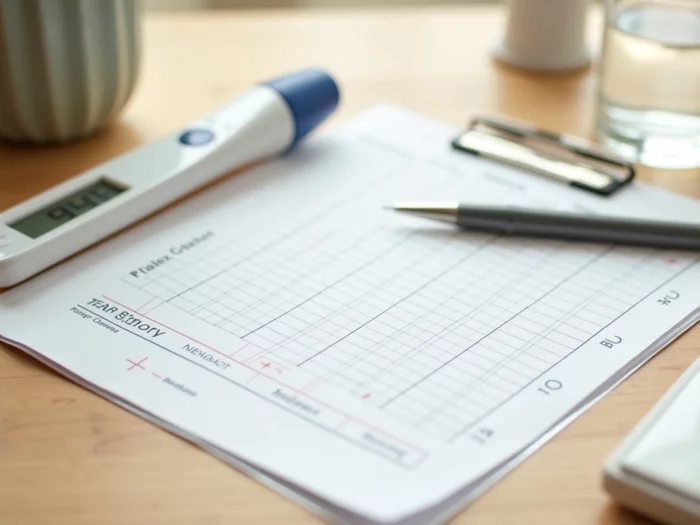
Basal Body Temperature (BBT) tracking is a key method for understanding your menstrual cycle and identifying your fertile window. The visual below outlines the typical BBT patterns across different phases of the menstrual cycle and highlights essential tools for effective tracking.
Tracking BBT reveals distinct patterns linked to hormonal shifts:
Apps enhance tracking with data analysis and reminders:
When it comes to tracking your fertility, understanding your Basal Body Temperature (BBT) can be a game changer! BBT is your body's temperature when you are fully at rest, typically measured first thing in the morning before any activity. By monitoring fluctuations in your BBT, you can gain valuable insights into your menstrual cycle and pinpoint when ovulation occurs.
So, what happens to your temperature during this time? It generally increases slightly after ovulation due to hormonal changes, particularly a rise in progesterone. This makes tracking BBT an essential tool for anyone looking to conceive, as it helps identify the most fertile window.
Basal Body Temperature is the lowest body temperature attained during rest. Measuring BBT requires a specific thermometer, often digital, that can detect small changes in temperature with precision. It is essential for anyone interested in understanding their cycle better and can be particularly useful for those trying to conceive.
Tracking BBT over time allows you to observe patterns that can reveal much about your reproductive health. It’s fascinating to see how your body works and responds to hormonal changes!
Tracking your BBT is a reliable way to enhance your fertility awareness. It helps you understand your cycle's unique patterns and can affirm when you are ovulating. This knowledge empowers you to make informed decisions about trying to conceive.
By becoming more attuned to your body, you can alleviate some of the anxiety surrounding conception. After all, knowledge is power—especially on this journey!
Your BBT is closely linked to your reproductive hormones, particularly progesterone and estrogen. After ovulation, progesterone levels rise, which causes a slight increase in body temperature. This temperature shift can confirm that ovulation has occurred, providing crucial information for your fertility tracking. Research published in the Journal of Family Planning and Reproductive Health Care further supports the physiological basis of this temperature rise.
Understanding how these hormones interact can help you recognize the signs of ovulation. If you notice a sustained rise in BBT after your expected ovulation day, it’s a strong indicator of successful ovulation!
Your menstrual cycle consists of several phases, each influencing your BBT differently. During the follicular phase, BBT is typically lower, while a noticeable increase occurs during the luteal phase. This fluctuation is primarily due to hormonal changes:
Recognizing the shifts across these phases can help you predict ovulation more accurately. It’s like piecing together a puzzle of your body’s unique rhythms!
To enhance the accuracy of your Basal Body Temperature tracking, consider taking your temperature at the same time every morning before getting out of bed. This consistency helps in identifying your unique patterns more effectively, leading to better insights into your fertility cycle!
BBT is your body's lowest resting temperature, typically measured first thing in the morning. Tracking it helps identify your fertile window and confirm ovulation, which is crucial for conception.
After ovulation, progesterone levels rise, causing a slight but sustained increase in BBT. This temperature shift indicates that ovulation has occurred.
For the most accurate results, BBT should be measured immediately upon waking, before any activity, and ideally at the same time each morning.
Apps like Clue, Fertility Friend, and Ovia are popular choices for tracking BBT. They offer features such as data analysis, reminders, and comprehensive cycle insights.
While BBT primarily confirms ovulation after it has happened, consistent tracking over several cycles can help you identify patterns and predict your fertile window more accurately in future cycles. For more detailed information on BBT and fertility, you can consult resources like the Mayo Clinic's guide on Basal Body Temperature.
Tracking your basal body temperature (BBT) can be a game-changer in understanding your fertility cycle. To make this journey easier and more efficient, I’ve gathered a list of helpful resources and tools that can enhance your BBT tracking experience. With the right tools at your fingertips, you can feel more empowered in your conception journey!
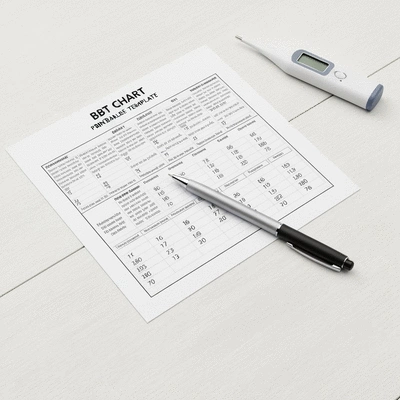
One effective way to keep a close eye on your BBT is through a visual representation of your data. Using printable BBT chart templates can simplify this process. Here are a few benefits of using a template:
These templates are user-friendly and can typically be found on various fertility education websites, including Getting Pregnant. Feel free to print a few copies to get started!
In our tech-savvy world, several apps can assist you in accurately tracking your BBT. These digital tools often come with additional features that can further support your fertility awareness journey. Here are some popular options:
By leveraging these apps, you can seamlessly track your BBT and receive reminders to take your temperature each morning. This can help ensure consistency in your readings, which is vital for accurate interpretation!
In addition to BBT tracking, consider exploring other cycle tracking tools that can complement your efforts. Combining different methods can lead to a fuller understanding of your fertility. Here are a few tools to consider:
Using a combination of these tools enhances your ability to understand your body and identify patterns that can aid in your conception journey. For more information on combining fertility awareness methods, the National Center for Biotechnology Information (NCBI) offers extensive research on the subject. Remember, every bit of information contributes to making informed decisions!
As you embark on your journey of BBT charting, it’s essential to know that this method isn’t just about numbers. It’s about understanding your body and gaining confidence in your fertility awareness. Over time, you’ll develop a deeper connection with your cycle and what it means for your journey toward parenthood.
BBT charting may not be for everyone, and that’s completely okay! Reflect on how comfortable you are with daily tracking and if this method aligns with your lifestyle. If you feel drawn to it, I encourage you to give it a try! It might just offer the insights you need.
Your path to conception is unique, and I want to remind you to approach it with patience and self-compassion. Every step you take—whether tracking your BBT, seeking support, or learning more about your body—brings you closer to your goals. Feel free to share your experiences with me on this journey; I’m here to support you every step of the way!
Here is a quick recap of the important points discussed in the article: