Tracking Irregular Periods: Tips & Tools
Posted on: 2025-12-31
By: Elena Hartwell
Understanding your menstrual health is essential, especially when it comes to recognizing irregular periods. Research shows that nearly 30% of women experience irregular cycles at some point. This article will guide you through the complexities of menstrual irregularities and empower you with actionable insights for managing your reproductive health.
What You Will Learn
- Common causes of irregular periods include hormonal imbalances, stress, weight changes, and medical conditions like PCOS.
- Recognizing signs of cycle variability—such as changes in period length and increased PMS symptoms—can help in managing your menstrual health.
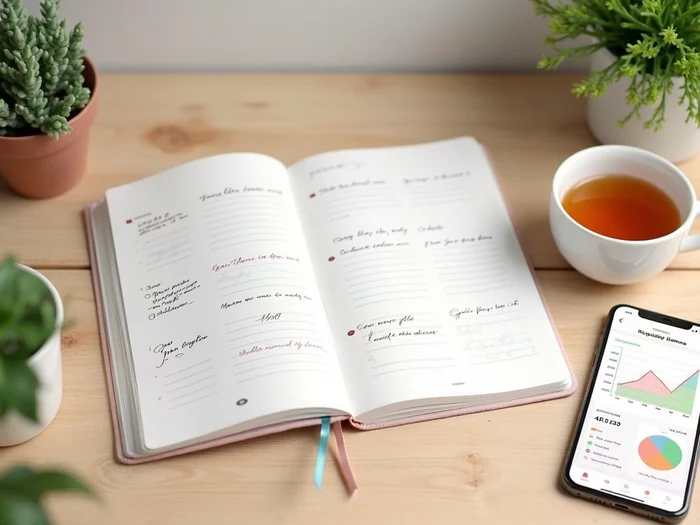
- Tracking your cycle consistently provides a clearer picture of your reproductive health and helps in communication with healthcare providers.
- Utilizing technology, like cycle tracking apps, can simplify the tracking process and enhance your understanding of your body.
- Engaging with community resources and forums can offer support and shared experiences from others navigating similar challenges.
Understanding Irregular Periods: Causes and Management
Explore key factors influencing irregular cycles and effective strategies for empowered cycle management.
Causes of Irregular Periods
- ● Hormonal Imbalances
- ● Stress Levels
- ● Weight Changes
- ● Medical Conditions (PCOS, Thyroid)
Effective Cycle Management
- ● Consistent Logging
- ● Utilize Tracking Apps
- ● Be Aware of Body Signs
- ● Communicate with Providers
Common Menstrual Disorders
- ● Polycystic Ovary Syndrome (PCOS)
- ● Endometriosis
- ● Uterine Fibroids
Community & Resources
- ● Online Forums (Reddit, Facebook)
- ● Health Education Websites
- ● Books & Podcasts
- ● Webinars & Workshops
Understanding Irregular Periods and Their Impacts
When it comes to our menstrual health, understanding irregular periods can be quite an eye-opener! Many women experience variations in their cycles, and it's essential to recognize what this means for overall fertility. Irregular periods can affect your ability to conceive, and being informed is the first step towards empowerment.
In my journey as a fertility educator, I've seen how important it is for individuals to understand their bodies. Let's dive into some of the key aspects of irregular periods to help you navigate this often confusing terrain. Recent research, such as the Apple Women's Health Study, continues to advance our understanding of menstrual cycles and their impact on health.
What Causes Irregular Periods?
There are several factors that can lead to irregular periods. Some common causes include:
- Hormonal Imbalances: Fluctuations in hormones like estrogen and progesterone can disrupt your cycle.
- Stress: High levels of stress can significantly affect your hormonal balance, leading to cycle irregularity.
- Weight Changes: Both gaining and losing weight can impact your menstrual cycle.
- Medical Conditions: Disorders such as PCOS or thyroid issues are known to cause irregular cycles.
It's crucial to pay attention to these factors as they can provide insights into your reproductive health. Making small lifestyle adjustments might also help regulate your cycle over time.
Recognizing the Signs of Cycle Variability
Understanding the signs of cycle variability can be incredibly helpful for managing your menstrual health. Look for symptoms such as:
- Changes in the length of your periods
- Missed periods or prolonged cycles
- Heavy or light bleeding
- Increased PMS symptoms
By tracking these indicators, you can better communicate any concerns with your healthcare provider. Remember, awareness is a vital part of taking control of your reproductive health!
Exploring Common Menstrual Disorders and Their Symptoms
Let's take a closer look at some common menstrual disorders that might contribute to irregular cycles, such as:
- Polycystic Ovary Syndrome (PCOS): A hormonal disorder resulting in irregular periods, excess hair growth, and weight gain.
- Endometriosis: A painful condition where tissue similar to the lining inside the uterus grows outside it, often leading to irregular or painful periods.
- Uterine Fibroids: Noncancerous growths in the uterus that can cause heavy bleeding and cycle irregularity.
Recognizing these symptoms can significantly affect your next steps. If you notice any of these signs, don't hesitate to reach out for professional guidance! For further insights into managing conditions like PCOS, you may find valuable information on resources such as PMC NCBI.
Pro Tip
Did you know? Keeping a detailed journal of your symptoms, moods, and lifestyle changes can provide invaluable insights into your menstrual health. Over time, this data can help you identify patterns and triggers associated with your irregular periods, ultimately leading to more informed discussions with your healthcare provider.
Wrapping Up Your Cycle Tracking Journey

As we conclude our discussion on cycle tracking, it’s important to highlight key takeaways that will empower you on your fertility journey. Understanding your cycle isn’t just about knowing when your period arrives; it's about gaining insights into your overall reproductive health. With the right tools and knowledge, you can navigate irregular cycles with confidence!
Here are some key takeaways for effective cycle management:
- Consistency is Key: Regularly logging your cycle data helps build an accurate picture of your menstrual health.
- Utilize Technology: Leverage apps and tools that suit your lifestyle and preferences, making cycle tracking easier and more engaging. Modern research also highlights the role of digital health interventions, such as those discussed in JMIR Publications, in improving menstrual health management.
- Be Aware of Your Body: Pay attention to bodily signs, as they can provide valuable information about your cycle.
- Communicate with Healthcare Providers: Sharing your cycle data can help your doctor provide tailored advice based on your unique situation.
By integrating these strategies into your routine, you can significantly improve your understanding and management of irregular cycles, ultimately leading to a more empowered conception journey!
Next Steps: Downloading the Right App for You
Now that you’re equipped with essential insights, it’s time to choose the right cycle tracking app for your needs. With so many options available, consider what features matter most to you. Do you want predictive insights, symptom tracking, or community support? Each app has unique strengths, so take your time exploring and testing to find the perfect fit!
Here are some questions to help guide your selection:
- What specific features do you need? (e.g., symptom logging, fertility predictions)
- Do you prefer a user-friendly interface or advanced analytics?
- Are you interested in joining a community for shared experiences and support?
- How does the app handle privacy and data security?
Remember, the goal is to feel supported and informed on your journey toward conception. Once you find an app that resonates with you, start logging your cycles and see how it transforms your understanding of your body!
Frequently Asked Questions About Irregular Periods
- What defines an irregular period?
- An irregular period is typically characterized by variations in cycle length, such as periods that come sooner or later than expected, or significant changes in bleeding patterns (heavier, lighter, or longer than usual).
- How common are irregular periods?
- Research indicates that nearly 30% of women experience irregular menstrual cycles at some point in their lives, making it a relatively common occurrence.
- Can stress cause irregular periods?
- Yes, high levels of stress can significantly impact your hormonal balance, which in turn can lead to irregularities in your menstrual cycle.
- What medical conditions are linked to irregular periods?
- Several medical conditions can cause irregular periods, including Polycystic Ovary Syndrome (PCOS), thyroid disorders, endometriosis, and uterine fibroids.
- How can tracking my cycle help manage irregular periods?
- Consistent cycle tracking helps you build an accurate picture of your menstrual health by recording symptoms, period length, and flow. This data can reveal patterns and provide crucial information for discussions with your healthcare provider.
- Are cycle tracking apps accurate?
- Many cycle tracking apps utilize advanced algorithms to provide predictive insights and help users understand their cycles. While generally helpful, it's important to choose an app that aligns with your needs and to discuss any significant concerns with a healthcare professional.
- When should I consult a doctor about irregular periods?
- It's advisable to consult a healthcare provider if you experience persistent changes in your cycle, unusually heavy or painful bleeding, missed periods, or any other concerning symptoms that might indicate an underlying medical condition.
Engage with the Community: Share Your Experiences
Connecting with others who are also tracking irregular cycles can be incredibly beneficial. You are not alone in this journey, and sharing experiences can bring comfort, insight, and encouragement. At Getting Pregnant, we believe in the power of community and the support it provides during the conception process.
Connecting with Others Who Track Irregular Cycles
Joining groups or forums focused on cycle tracking can help you learn from others facing similar challenges. You can swap stories, tips, and strategies while making meaningful connections. Whether it’s online or in-person, engaging with a community can enhance your journey and offer valuable perspectives!
Seeking Support: Online Resources and Forums for Women’s Health
The internet offers a wealth of resources tailored specifically for women’s health. Consider joining forums or social media groups dedicated to fertility and menstrual health. These platforms can be invaluable for gathering information and finding emotional support. Some popular resources include:
- Reddit: Subreddits like r/TwoXChromosomes and r/Fertility offer community support and advice.
- Facebook Groups: Look for groups focused on fertility, menstrual health, or wellness.
- Health Education Websites: Websites like Getting Pregnant provide reliable information and articles on various topics related to conception.
Don’t hesitate to seek help and share your journey; the connections you make can be incredibly uplifting and insightful!
Exploring Health Education Resources on Menstrual Health

Finally, continue to educate yourself on menstrual health and fertility. There are numerous books, podcasts, and online courses available that can deepen your understanding. At Getting Pregnant, we regularly update our resources to provide you with the latest findings and holistic approaches to fertility. Here are a few recommendations:
- Books: Look for titles focusing on women's health and fertility.
- Podcasts: Explore health-focused podcasts that cover menstrual cycles and fertility topics.
- Webinars and Workshops: Participate in online events hosted by fertility experts and educators.
Staying informed will empower you as you navigate your cycle and its impact on your conception journey. We’re here to support you every step of the way, so don’t hesitate to reach out with any questions or stories to share!
Recap of Key Points
Here is a quick recap of the important points discussed in the article:
- Understand Causes: Hormonal imbalances, stress, weight changes, and medical conditions can lead to irregular periods.
- Recognize Symptoms: Look for changes in cycle length, missed periods, and variations in bleeding.
- Log Your Cycle: Regularly tracking your cycle data helps build a clearer picture of your reproductive health.
- Leverage Technology: Utilize apps that fit your lifestyle for easier and more engaging cycle tracking.
- Communicate Effectively: Sharing cycle data with healthcare providers can lead to tailored advice and better management.
- Engage with Community: Connecting with others can provide support and insights as you navigate your conception journey.
- Continue Learning: Stay informed through books, podcasts, and online resources to deepen your understanding of menstrual health.
 Have you ever felt the weight of balancing your career ambitions with your dreams of starting a fami
 Choosing the right prenatal care provider can greatly influence your pregnancy journey. With the rig
 Have you ever felt overwhelmed by the complexities of fertility tracking? By understanding your mens