Lifestyle's Impact on Menstrual Health
Posted on: 2026-02-03
By: Elena Hartwell
Consider how the everyday choices you make can ripple through your body, influencing not only your health but also your menstrual cycle. Understanding the connection between your lifestyle and your menstrual health is crucial for empowerment and informed decision-making.
What You Will Learn
- Stress can disrupt hormonal balance, leading to irregular cycles or missed periods.
- Inadequate sleep negatively affects ovulation and overall hormonal regulation.
- A nutritious diet rich in fiber, healthy fats, and proteins supports menstrual health.
- Both excessive and insufficient exercise can lead to menstrual irregularities.
- Tracking methods like Basal Body Temperature and cervical mucus observation can enhance fertility awareness.
Lifestyle Factors Influencing Menstrual Health & Cycle Tracking
Understanding how daily choices impact your menstrual cycle and the key methods for tracking fertility.
Key Lifestyle Influences
- • Stress: Hormonal imbalance
- • Sleep: Hormonal dysregulation
- • Diet: Nutrient impact
- • Exercise: Balance is key
- • Substances: Adverse hormonal effects
Effective Tracking Techniques
- • Basal Body Temperature (BBT)
- • Cervical Mucus Observation
- • Cycle Length Tracking
- • Fertility Apps Integration
Dietary Impact on Hormones
- • Fiber-rich foods: Regulate insulin
- • Healthy fats: Essential for hormone production
- • Protein: Supports reproductive health
- • Supplements: Aid hormone production (Vit D, Mg)
Exercise & Cycle Regulation
- • Aerobic: Reduces stress, promotes regularity
- • Strength: Improves insulin sensitivity
- • Mind-body: Reduces stress (yoga, Pilates)
- • Balance: Avoid excessive intensity
Understanding the Connection Between Lifestyle Factors and Your Menstrual Cycle
Understanding your menstrual cycle is not just about tracking the days—it’s about recognizing how various lifestyle factors can impact your overall menstrual health. In my work at Getting Pregnant, I've seen firsthand how lifestyle disruptions can create imbalances in our bodies, making it crucial to examine the influences of stress, sleep patterns, diet, exercise, and substance use.
When we discuss lifestyle factors, we're looking at everything from the food we eat to how we manage stress. Each aspect can play a significant role in your menstrual cycle, affecting not just your physical health but your emotional well-being, too. Let’s explore these factors further!
What Are Lifestyle Factors That Influence Menstrual Health?
- Stress: Emotional and physical stress can throw your hormones off balance, impacting your cycle.
- Sleep Patterns: Inadequate sleep can lead to hormonal dysregulation, affecting ovulation.
- Diet: What you eat can either support or hinder hormonal health, influencing menstruation.
- Exercise: Both too much and too little exercise can disrupt your cycle.
- Substance Use: Alcohol, smoking, and other substances can have adverse effects on your hormonal balance.
Each of these factors can create a ripple effect on your menstrual cycle, making it essential to consider them as part of your overall health strategy. Reflecting on your lifestyle choices is a powerful step in understanding your body's signals!
The Science Behind Lifestyle Choices and Menstrual Irregularities
Every choice you make has a direct impact on your hormonal balance. For example, when you're under stress, your body releases cortisol, which can affect the production of key hormones like estrogen and progesterone. This imbalance can lead to irregular cycles or missed periods altogether. Current research, like that from the Apple Women's Health Study at Harvard T.H. Chan School of Public Health, continues to shed light on the complex interplay between lifestyle and menstrual health.
Additionally, sleep plays a crucial role—quality sleep supports the release of hormones necessary for ovulation. A poor diet lacking in essential nutrients can also disrupt your cycle by affecting hormone levels. Understanding these connections can empower you to take proactive steps in managing your cycle.
The Impact of Diet on Hormones and Menstrual Health
Your diet directly impacts your hormone levels in various ways. For instance, diets high in processed foods and sugars can lead to insulin resistance, which may cause hormonal imbalances. On the other hand, incorporating nutrient-rich foods can support hormonal health and regular menstruation.

- Fiber-rich foods: Help regulate insulin levels and promote hormonal balance.
- Healthy fats: Essential for hormone production; think avocados and nuts!
- Protein: Supports the overall health of your body, including reproductive health.
- Nutritional supplements: Certain vitamins and minerals can aid in hormone production, such as vitamin D and magnesium.
By paying attention to your dietary choices, you can significantly influence your menstrual health. Consider what small changes you can make to support your body’s needs.
The Role of Exercise in Regulating the Menstrual Cycle
Exercise is another vital element in maintaining a healthy menstrual cycle. Engaging in regular physical activity can help regulate your hormones and improve your overall reproductive health. However, it’s important to strike the right balance, as highlighted in a study on exercise and the menstrual cycle.
- Aerobic exercise: Activities like walking, jogging, or cycling can help reduce stress and promote regular cycles.
- Strength training: Building muscle can improve insulin sensitivity and hormonal balance.
- Mind-body exercises: Practices like yoga and Pilates can significantly reduce stress levels, supporting menstrual regularity.
Remember, too much intense exercise can lead to missed periods or irregular cycles. It’s all about finding what works best for your body and listening to its needs!
Pro Tip
To better manage your menstrual health, consider integrating mindfulness practices into your daily routine. Techniques such as meditation or deep-breathing exercises can significantly reduce stress levels, which is crucial for maintaining hormonal balance and regular cycles. Start with just a few minutes each day and gradually increase the duration as you become more comfortable.
Key Methods for Tracking Your Menstrual Cycle and Fertility
Tracking your menstrual cycle is an empowering step on your journey to conception! Understanding your body’s natural rhythms can help you identify your most fertile days and optimize your chances of getting pregnant. Below, I’ll share some of the most effective techniques that I’ve found beneficial, including everything from basal body temperature to using modern fertility apps. Furthermore, global reports, such as the WHO's findings on menstrual health and hygiene, underscore the importance of comprehensive menstrual health education and tracking.
Effective Tracking Techniques: Basal Body Temperature and Beyond
One of the simplest and most reliable methods for tracking your menstrual cycle is monitoring your Basal Body Temperature (BBT). By taking your temperature every morning before getting out of bed, you can detect subtle changes that indicate ovulation. Here are some key techniques to consider:
- Basal Body Temperature (BBT): Measure your temperature daily and look for a slight increase (about 0.5°F) after ovulation.
- Cervical Mucus Observation: Pay attention to changes in your cervical mucus; it becomes clearer and more slippery around ovulation.
- Cycle Length Tracking: Maintain a calendar to help predict your cycle length and ovulation window.
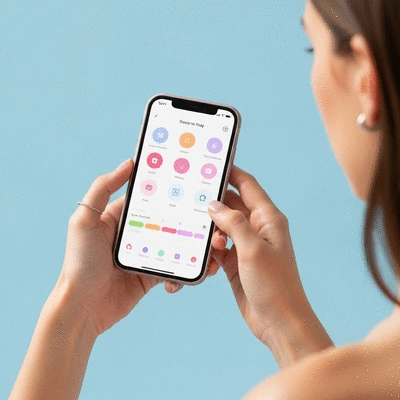
- Fertility Apps: Use technology to your advantage by logging your data in apps designed for fertility tracking.
These methods not only help you pinpoint ovulation but also build a fuller picture of your menstrual health. Over time, you may find patterns that can aid your fertility journey.
Integrating Apps for Accurate Fertility Tracking
There’s a wealth of fertility apps available, making it easier than ever to track your cycle accurately. Choosing the right app can significantly enhance your understanding of your menstrual health. Here’s what to look for in a good fertility app:
- User-Friendly Interface: Look for apps that are easy to navigate and input data.
- Customizable Features: Choose apps that allow you to log symptoms, moods, and other factors affecting your cycle.
- Hormonal Insights: Some apps offer insights on hormonal changes and predictions for your fertile window.
- Community Support: Access to forums or communities can provide additional emotional support and shared experiences.
By integrating these tools into your routine, you’re not just tracking your cycle but also gaining valuable insights that can guide your conception efforts.
Understanding Ovulation and Its Importance in Fertility
Recognizing the signs of ovulation is crucial for anyone trying to conceive. Ovulation typically occurs about 14 days before your next period, and understanding this process can make all the difference! Here's a brief overview of how to identify ovulation:
- Hormonal Changes: Monitor shifts in estrogen and luteinizing hormone (LH) that signal ovulation is approaching.
- Physical Symptoms: Look for symptoms such as increased sexual desire, breast tenderness, or mild cramping.
- Tracking BBT: As mentioned, note the temperature increase that often follows ovulation.
Being aware of these signs can significantly enhance your chances of conception. By understanding your ovulation cycle, you empower yourself to take informed action on your journey toward parenthood!
Frequently Asked Questions (FAQs)
What role does diet play in menstrual health?
Can exercise affect my menstrual cycle?
What are the most effective methods for tracking fertility?
Why is understanding ovulation important for conception?
Recap of Key Points
Here is a quick recap of the important points discussed in the article:
- Stress Management: Recognize that emotional and physical stress can disrupt hormonal balance and affect your menstrual cycle.
- Importance of Sleep: Ensure you get adequate quality sleep to support hormonal regulation and ovulation.
- Nutritional Choices: Focus on a diet rich in fiber, healthy fats, and proteins to promote hormonal health and regular menstruation.
- Balanced Exercise: Engage in regular physical activity while avoiding excessive exercise to maintain a healthy cycle.
- Effective Tracking Techniques: Utilize methods like Basal Body Temperature, cervical mucus observation, and fertility apps to track your menstrual cycle accurately.
 Have you ever felt the weight of balancing your career ambitions with your dreams of starting a fami
 Choosing the right prenatal care provider can greatly influence your pregnancy journey. With the rig
 Have you ever felt overwhelmed by the complexities of fertility tracking? By understanding your mens