Understanding the
Fertile Window Duration
The fertile window typically spans **6 days**:
- •5 days leading up to ovulation
- •The day of ovulation itself
Join the Getting Pregnant community for reliable insights, tips, and support directly in your inbox.
Posted on: 2025-10-18
By: Elena Hartwell
Understanding your fertile window can significantly enhance your chances of conception. With a few simple strategies, you can demystify your menstrual cycle and make informed decisions on your journey to parenthood.
Understanding the fertile window is crucial for conception. This visual outlines the critical phases and the hormones that regulate your cycle, guiding you to pinpoint your most fertile days.
The fertile window typically spans **6 days**:
Estrogen Surge:
Occurs before ovulation, preparing the body and signaling egg release.
Progesterone Rise:
Increases after ovulation, supporting the uterine lining for potential pregnancy.
Egg viability: **12-24 hours** post-ovulation.
Sperm lifespan: **Several days** in the reproductive tract.
Optimal timing means having sperm present
before and during ovulation.
Understanding your fertile window is crucial when trying to conceive. This is the period within your menstrual cycle when you are most likely to become pregnant. Generally, it spans from about five days before ovulation until the day of ovulation itself. Knowing when this window occurs can significantly enhance your chances of conception! For a comprehensive guide on identifying your fertile days, you can refer to resources like those provided by the American College of Obstetricians and Gynecologists (ACOG).
To make it easier, let’s define the duration of the fertile window and its significance in your fertility journey. Typically, this window lasts around six days. This timeframe is critical because the egg is viable for about 12 to 24 hours post-ovulation, while sperm can live for several days inside the female reproductive tract. Thus, timing intercourse during this period is essential for maximizing your chances of getting pregnant, as highlighted by sources such as Mayo Clinic on the rhythm method.
The fertile window is not just a random timeframe; it’s deeply tied to your body's natural rhythms. Understanding this can help alleviate some of the stress that often accompanies the conception process. Here’s a breakdown of the fertile window:
Recognizing when your fertile window occurs allows you to plan your intimacy to align perfectly with your cycle. This awareness can lead to a more informed and stress-free experience as you navigate the path to parenthood.
At the heart of the fertile window is ovulation, a process that is fascinating and essential for conception. During ovulation, a mature egg is released from the ovary, making it available for fertilization. This is triggered by a surge in hormones, specifically luteinizing hormone (LH), which is why tracking these changes can provide valuable insight into your fertility. Further research into the mechanisms of ovulation can be found in academic articles such as those published on PMC NCBI.
Understanding this connection helps in recognizing patterns in your cycle. When you know when you typically ovulate, you can better predict your most fertile days. Many women find that visualizing this process through cycle charting or using apps can demystify their reproductive health!
Hormones play a pivotal role in regulating ovulation and, consequently, your fertile window. Two key players in this process are estrogen and progesterone. Estrogen prepares the body for ovulation, promoting the thickening of the endometrial lining, while progesterone supports the lining after ovulation to facilitate implantation.
Understanding the balance and interplay of these hormones can empower you in your conception journey. Knowledge is key! If you're tracking your cycle, being aware of hormonal shifts can assist in pinpointing ovulation more accurately, making your efforts towards getting pregnant even more effective.
Identifying your most fertile days doesn't have to be a guessing game! With the right strategies and tools, you can enhance your chances of conception dramatically. Let's explore some effective methods to help you pinpoint when you're ovulating.
Did you know? Tracking your basal body temperature (BBT) can provide valuable insights into your ovulation pattern. A slight increase in temperature can indicate that ovulation has occurred, helping you confirm your fertile window more accurately!
The fertile window is the period within your menstrual cycle when you are most likely to become pregnant. It typically spans about six days: five days leading up to ovulation and the day of ovulation itself.
Sperm can survive for several days (up to five days) inside the female reproductive tract, which is why having intercourse before ovulation can still lead to conception.
A mature egg is viable for fertilization for a short period of about 12 to 24 hours after it is released from the ovary.
Estrogen levels surge before ovulation, preparing the body for egg release, while progesterone levels rise after ovulation to support the uterine lining for potential pregnancy. These hormonal shifts are key indicators of your fertile window.
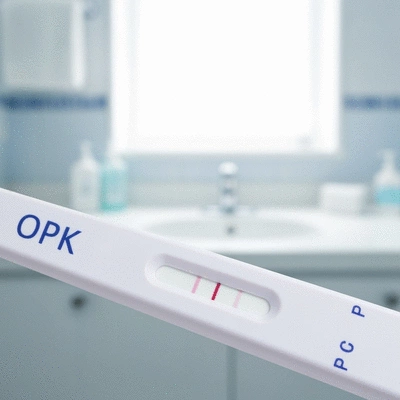
Effective strategies include tracking your menstrual cycle length, using ovulation predictor kits (OPKs), monitoring changes in basal body temperature (BBT), and observing physical symptoms like cervical mucus changes.
As we wrap up this exploration of fertility insights, it's essential to take a moment and reflect on the key points we've discussed. Understanding your fertile window is crucial for anyone on the conception journey. By pinpointing when you are most fertile, you're empowering yourself with the knowledge needed to optimize your chances of conception. Remember, this is not just about timing; it's about embracing the journey and making informed choices along the way!
With the right tools and resources, like those provided on Getting Pregnant, you can navigate your fertility journey with more confidence and clarity. Whether you're tracking your cycle with an app or using ovulation kits, each small step contributes to your understanding and preparedness.
Recognizing your fertile window could be a game-changer in your conception journey. It helps you pinpoint when to have intercourse for the best chance of pregnancy. Your fertile window generally lasts about six days—five days leading up to ovulation and the day of ovulation itself.
By understanding your fertile window, you not only increase your chances of conception, but you also reduce the stress and uncertainty often associated with this process. Knowledge truly is power!
Now that you've grasped the essentials of identifying your fertile days, it's time to put this knowledge into action. Start by choosing a tracking method that feels right for you. Here are some practical next steps:
Applying these strategies will help you become more in tune with your body and its cycles. Take it one step at a time, and remember to be patient with yourself along the way.
If you've been trying to conceive for a while without success, it's important to know that you're not alone. Many couples face challenges on their journey to parenthood. Understanding the range of fertility treatments available can help you make informed decisions about the next steps. Here are some common options:
If you're considering these options, I encourage you to reach out to a healthcare provider who specializes in fertility. They can guide you through the best plan based on your individual circumstances. Don't hesitate to seek the support you need!
Finally, I want to hear from you! Sharing experiences can be incredibly validating and empowering. Have you tried any methods for tracking your fertility? What worked well for you? Your stories can inspire others who are on similar paths.
Feel free to leave your thoughts in the comments below or reach out via our contact page. We're here to support one another as we navigate the complexities of fertility together. Remember, every journey is unique, and by sharing, we help create a community of understanding and encouragement!
Here is a quick recap of the important points discussed in the article: