METHOD 1
Ovulation Predictor Kits (OPKs)
- ✓ Measure LH surge
- ✓ Pinpoint fertile window
- ✓ High accuracy for immediate prediction
Directly identifies the hormonal signal for ovulation.
🧪
Join the Getting Pregnant community for reliable insights, tips, and support directly in your inbox.
Posted on: 2025-12-12
By: Elena Hartwell
Let's explore how understanding your ovulation cycle can empower your journey toward conception. With the right knowledge and tools, you can take control and make informed decisions that enhance your chances of success.
Understanding and tracking ovulation is a cornerstone of a successful conception journey. This visual outlines key methods and strategies to empower individuals with accurate insights into their fertility cycle.
Directly identifies the hormonal signal for ovulation.
Holistic approach for deeper body understanding.
Integrates direct hormonal signals with physical signs.
Supports overall reproductive health alongside tracking.
When it comes to conception, understanding your body is essential. That's where ovulation tracking comes into play! Accurate methods not only help you identify your fertile days but also empower you with information to make informed decisions. At Getting Pregnant, we believe that knowledge is power, and starting with the right tools can significantly enhance your journey to parenthood.
Many couples may not realize just how pivotal ovulation prediction can be. By pinpointing your ovulation window, you can increase your chances of conception, making each attempt count. Let’s dive into why accurate ovulation tracking matters and the methods available to you.
Knowing when you ovulate is crucial for timing intercourse effectively. Here are a few reasons why understanding your ovulation cycle is so important:
As a fertility educator, I often see how this knowledge can transform a couple’s approach to conception. It’s not just about tracking; it’s about feeling empowered and in control of your reproductive health.
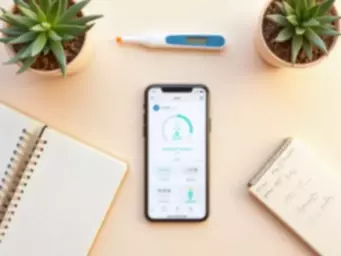
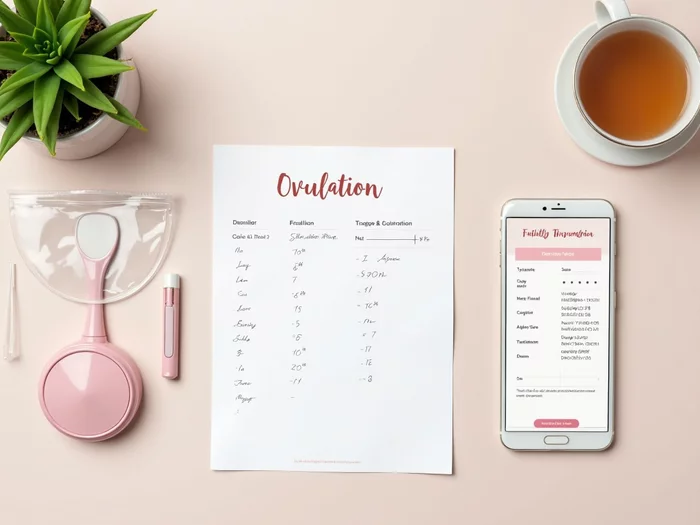
There are several methods available for tracking ovulation, but two of the most common are ovulation predictor kits (OPKs) and symptom charting. OPKs measure the surge of luteinizing hormone (LH) in your urine, signaling that ovulation is approaching. Symptom charting, on the other hand, involves monitoring physical signs of ovulation, such as changes in basal body temperature and cervical mucus.
Using these methods together can provide a more comprehensive picture of your fertility. For example, OPKs can confirm an impending ovulation, while symptom tracking offers insights into your overall cycle health. Combining these methods can lead to more successful conception attempts! Research published in JMIR has explored the effectiveness of digital ovulation prediction methods, highlighting their role in modern fertility tracking.
The Fertility Awareness Method, or FAM, is a holistic approach that involves tracking several indicators of fertility. FAM encourages you to observe and record:
This method not only helps you identify your fertile window but also fosters a deeper understanding of your body's natural rhythms. As someone who values education and support, I can't stress enough how empowering it can be to take charge of your reproductive health through FAM! The role of the Fertility Awareness Method in family planning is further detailed in studies available through PMC.
Now that we’ve covered the importance of tracking ovulation, let’s take a closer look at how ovulation predictor kits work and what you can expect from them. OPKs detect the rise in Luteinizing Hormone (LH), which typically occurs 24-36 hours before ovulation. This hormonal surge is a key indicator of your most fertile window.
To enhance your ovulation tracking, consider utilizing a combination of both ovulation predictor kits (OPKs) and symptom charting. This dual approach not only helps in confirming ovulation but also provides a deeper understanding of your cycle, allowing you to make more informed decisions about your fertility journey.
Accurate ovulation tracking is crucial for identifying your fertile window, which significantly increases your chances of conception. It helps you time intercourse effectively and provides valuable insights into your individual cycle patterns.
OPKs detect the surge of Luteinizing Hormone (LH) in your urine, which typically occurs 24-36 hours before ovulation. This LH surge is a reliable indicator that ovulation is approaching, marking your most fertile period.
Symptom charting involves monitoring physical signs of ovulation, such as changes in basal body temperature (BBT) and cervical mucus. This method offers a holistic understanding of your cycle and can complement OPK results for enhanced accuracy.
The Fertility Awareness Method (FAM) is a holistic approach to tracking fertility that involves observing multiple indicators like menstrual cycle length, BBT fluctuations, cervical mucus changes, and other physical symptoms to identify the fertile window.
It is advisable to seek professional guidance if you have been actively trying to conceive for over a year without success, or if you notice any significant irregularities or concerns with your menstrual cycle. A fertility specialist can provide tailored advice and support.
As we wrap up our discussion on ovulation tracking, it's essential to highlight the strategies that can make a significant difference in your conception journey. The integration of ovulation predictor kits (OPKs) and symptom charting can provide you with valuable insights into your fertility cycle. By understanding your body's signals, you can optimize your timing for conception and reduce uncertainty.
Here are some key takeaways to keep in mind:
By implementing these strategies, you're not just gathering data; you’re actively participating in your fertility journey. Each cycle, you'll learn more about your unique patterns, which helps in making informed decisions moving forward.
Aside from tracking ovulation, integrating nutrition and lifestyle factors plays a pivotal role in enhancing your fertility. At Getting Pregnant, we emphasize the importance of a holistic approach to conception. Your body needs the right fuel and a balanced environment to support reproductive health.
Consider focusing on the following aspects:
These lifestyle changes can significantly impact your fertility and support the efforts you’re making with ovulation tracking. Remember, every little bit helps, and combining these healthy habits with your tracking methods will empower you on your journey!
Now that you have a solid foundation of effective ovulation tracking strategies, let's discuss how to take the next steps in your fertility journey. Empowering yourself involves not only understanding your cycle but also knowing how to implement these strategies into your daily routine.
To seamlessly incorporate these tracking methods into your life, start by setting a consistent schedule. Here are some actionable tips:
With a structured approach, you'll find it easier to observe patterns and make informed decisions about your fertility journey.
While personal tracking is vital, there may come a time when seeking professional guidance is beneficial. If you’ve been actively trying to conceive for over a year without success, or if something feels off with your cycle, don't hesitate to reach out for help.
Consulting with a fertility specialist can provide you with tailored advice and support. They can assist in diagnosing any underlying health conditions that might be affecting your fertility. Remember, you’re not alone in this journey; there are professionals dedicated to helping you achieve your dreams of parenthood!
Fertility specialists and clinics are invaluable resources on your journey to conception. These professionals can offer a wide range of services, including:
By understanding their role, you can better advocate for your health and make informed decisions that align with your family goals. Together, we can navigate this journey with confidence and clarity!
Here is a quick recap of the important points discussed in the article: